

The essential takeaway: Using an air fryer for decarboxylation ensures superior temperature precision and heat distribution compared to traditional ovens. This convection method efficiently activates THCA and CBDA into THC and CBD at a stable 220°F-250°F, preserving delicate terpenes. For optimal results, shake the basket every 15 minutes until the material reaches a toasted golden-brown hue. Explore THC Free CBD.
You prepare your flowers for edibles only to find your traditional oven has hot spots that scorch the delicate trichomes. Learning to decarb weed in air fryer solves this by using stable convection heat to transform non-psychoactive THCA into active THC with clinical consistency. This guide explains the precise temperature settings and containment methods required to maximize potency while preserving essential terpenes.
- Principles of Air Fryer Decarb
- Preparing Material for Thermal Activation
- Step-by-Step Air Fryer Decarb Guide
- Handling and Utilizing Activated Cannabis
- Exploring THC Free CBD Alternatives
Principles of Air Fryer Decarb
While traditional ovens remain a common standard for cannabis preparation, the air fryer serves as a precision instrument for organic chemistry. This device offers a controlled environment to facilitate the necessary molecular transformations.

Conversion of THCA and CBDA
Heat removes the carboxyl group from THCA. This chemical reaction turns non-psychoactive acids into active THC. It is pure molecular chemistry. Raw plant material requires this specific step for activation.
CBDA converts into CBD through steady thermal energy. This molecular change requires consistent heat levels. Without sufficient temperature, cannabinoids remain locked in their acidic state. They stay inactive and non-functional.
THCA successfully becomes THC. This transformation represents the essential “activation” required for effective infusions.
Convection Efficiency vs Traditional Ovens
Air fryers use fan-driven heat instead of stagnant air. Standard ovens often suffer from significant temperature swings. Convection technology provides a stable environment for protecting delicate botanical structures during the process.
Rapid heat transfer occurs as moving air hits material from every angle. This constant airflow eliminates cold spots. It ensures that no portion of the plant remains unactivated or unevenly heated.
The compact chamber heats faster than large conventional ovens. This efficiency saves electricity and time. It results in a more consistent and reliable decarboxylation outcome for the user.
Preparing Material for Thermal Activation
Now that you understand the “why,” let’s get into the “how” by prepping your buds correctly.
Optimal Grind Size and Uniform Distribution
Manually break your flowers into small, popcorn-sized pieces. Avoid using a fine grinder because powder burns too easily under convection. Uniform size ensures every piece finishes at the same time. Consistency remains the secret to a potent batch.
Surface area plays a decisive role. Larger pieces protect internal terpenes better than dust. You need enough surface for heat to penetrate without destroying the delicate trichomes on the exterior. This balance prevents thermal degradation.
Spread the pieces in a single layer. Overlapping material creates moisture pockets that hinder activation. Air must flow freely around each fragment for even heating. Proper spacing is mandatory for a successful decarb weed in air fryer process.

Containment Methods for Odor and Airflow
Use a parchment paper envelope or a foil pouch. This prevents the internal fan from blowing light flakes into the heating element. It also keeps the strong aromatic terpenes contained during the thermal cycle.
Securing the material is a vital safety step when using an air fryer for cannabis decarboxylation. A sealed package ensures stable temperatures. It also facilitates easy agitation every ten minutes during the process.
Loose material poses a significant fire hazard. If plant matter hits the heating coils, it will smoke and burn immediately. Always secure your package inside the basket before turning the machine on to maintain a safe environment.
Step-by-Step Air Fryer Decarb Guide
With your material prepped and protected, it is time to set the dials and start the clock.
Precise Temperature Settings and Duration
Set your air fryer between 220°F and 250°F. This range is the “sweet spot” for activation. Too hot and you vaporize the THC. Too cold and the conversion never happens. Precision matters more than speed here.
Aim for a 60-minute cycle at the lower end of the temp range. If you go higher, shorten the time. Most beginners find 240°F for 45 minutes works perfectly.
- 220°F for 60-90 mins (low and slow)
- 240°F for 40-50 mins (standard)
- 250°F for 30 mins (risky but fast)
Agitation Cycles and Visual Indicators
Shake the basket every 15 minutes. This redistributes the heat and prevents “hot spots.” Even with convection, some areas might get more airflow than others. Agitation is mandatory.
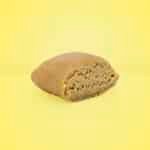
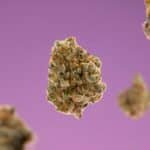
Look for the color change. Your green buds should turn a light, toasted golden-brown. If it looks like dark tobacco, you went too far. The smell should be nutty.
“The visual transition from vibrant green to a toasted biscuit hue is the most reliable indicator that your cannabinoids are finally ready for consumption.”
Handling and Utilizing Activated Cannabis
Once the timer dings, don’t rush; the final steps determine the shelf life of your hard work.
Cooling Protocols and Long-Term Storage
Let the material cool completely inside the pouch. Opening it while hot releases potent vapors you want to keep. Wait at least 20 minutes before handling the activated flower.
Transfer the weed to an airtight glass jar. Store it in a cool, dark cupboard. Light and oxygen are the enemies of THC. Proper storage keeps it potent.
Correct storage preserves the active compounds. For detailed insights on the chemical transformation, consult our guide on decarboxylation-cbd. This ensures your material remains effective for future use.
Infusion Basics and Bioavailability Enhancement
Mix your decarbed weed with fats like butter or coconut oil. Cannabinoids need lipids to enter your bloodstream. Without a carrier, your body won’t absorb much. This is the foundation of all effective cannabis edibles.
Add sunflower lecithin to the mix. It acts as an emulsifier. This trick significantly boosts how fast you feel the effects.
| Carrier Oil | Infusion Time | Bioavailability | Best For |
|---|---|---|---|
| Coconut Oil | 2-4 hours | 5/5 | Baking |
| Butter | 3-5 hours | 4/5 | Cooking |
| Olive Oil | 2-3 hours | 3/5 | Tinctures |
| MCT Oil | 1-2 hours | 5/5 | Sublinguals |
Exploring THC Free CBD Alternatives
Transitioning from standard methods to specialized flowers ensures a controlled experience. If you want the benefits without the high, there are specific products designed for exactly that.
Choosing the Right Flower
Some users prefer avoiding THC entirely. You can still use the air fryer method for CBD-dominant strains. The process remains nearly identical but the results are non-intoxicating.
For those seeking the purest experience, look for THC Free CBD options. These flowers provide the relaxation of hemp without any legal or psychoactive risks. It is a great way to practice decarbing.
To expand your options, consider using Amnesia 50 CBD THC Free. This high-quality hash integrates perfectly into the heating process. It provides a consistent, potent alternative for those prioritizing 0.0% THC levels.
Mastering the decarb weed in air fryer technique ensures precise THCA activation through stable convection and uniform heat. Secure your material in a foil pouch at 240°F for 45 minutes to achieve a perfect golden-brown finish. Start your infusion now to enjoy potent, professional-grade edibles at home.